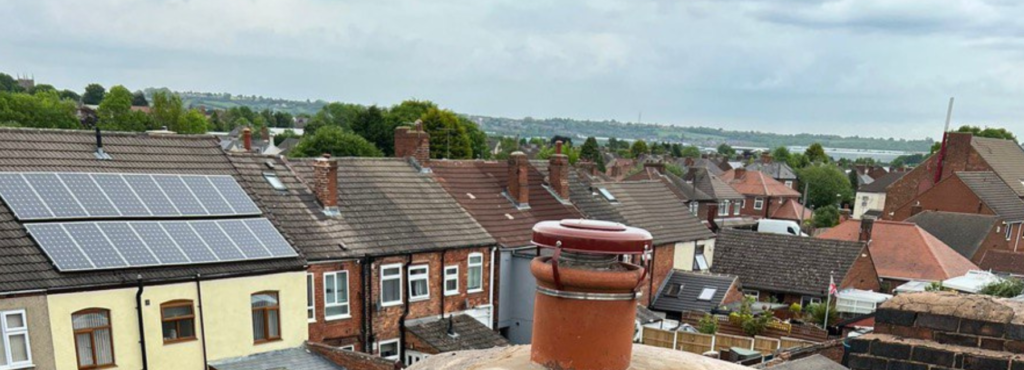
Winter weather can put additional strain on a roof, particularly when rain, strong winds, low temperatures and prolonged damp conditions occur together. Although a well-maintained roof is designed to withstand changing weather, existing weaknesses can become more noticeable during colder months.
For homeowners in Dinnington, South Yorkshire, knowing which winter roof problems to look out for can help identify damage early. Prompt attention to faults can help prevent water ingress and reduce the risk of more extensive deterioration.
How Cold Weather Can Affect Your Roof
Low temperatures can make existing defects in roofing materials more vulnerable. Repeated changes between cold and milder conditions can cause some materials to expand and contract, potentially worsening cracks or weakened areas.
Older or already damaged roofing components may therefore show signs of deterioration more clearly during winter. Regular visual checks can help homeowners spot changes before they develop into more serious problems.
Slipped or Damaged Roof Tiles
Strong winter winds can loosen or displace roof tiles. A slipped tile can leave part of the underlying roof exposed, creating a potential route for rainwater to enter.
Cracked or broken tiles can cause similar problems. Even if water is not immediately visible inside the property, damaged tiles should be assessed promptly to determine whether repairs are required.
Roof Leaks and Water Ingress
Heavy winter rainfall can expose weaknesses around tiles, flashing, roof valleys and other vulnerable areas. A small defect may allow moisture to enter gradually rather than producing an obvious leak straight away.
Signs of possible water ingress include:
- Damp patches on ceilings or walls
- Water staining
- Peeling paint
- Musty smells
- Damp areas around roof openings
If these signs appear, identifying the source of the moisture is important. The visible stain may not be directly beneath the point where water is entering the roof.
Damaged Lead Flashing
Lead flashing helps protect joints and vulnerable areas of a roof, including sections around chimneys and roof junctions. Winter rain and wind can expose weaknesses in flashing that has become cracked, loose or deteriorated.
Damaged flashing can allow water to penetrate the roof structure. Professional inspection can determine whether the flashing needs repairing or replacing.
Blocked Gutters and Roof Drainage
Winter leaves and debris can accumulate in gutters, restricting the flow of rainwater away from the roof. When gutters become blocked, water may overflow and affect roof edges, walls or other parts of the property.
Keeping gutters and drainage channels clear is an important part of winter roof maintenance. If water is already overflowing or there are signs of damage, professional attention may be necessary.
Problems Around Chimneys
Chimneys are particularly exposed to winter weather. Deteriorating mortar, damaged flashing or loose chimney components can create potential points of water entry.
Internal dampness near a chimney can sometimes indicate a problem with the surrounding roof area. A professional inspection can help establish whether the issue is related to flashing, pointing or another roofing component.
Signs Your Roof May Need Repairs
Homeowners in Dinnington should pay attention to visible changes following periods of cold or unsettled weather. Warning signs can include:
- Missing or slipped tiles
- Cracked or broken roof coverings
- Water stains indoors
- Damaged flashing
- Sagging sections
- Persistent dampness
- Blocked or overflowing gutters
- Loose roof components
Not every problem requires extensive work. In some cases, a targeted repair may be sufficient to restore the affected area.
Why Early Roof Repairs Matter
Small defects can become more problematic when repeatedly exposed to winter rain and wind. A minor gap or damaged tile may allow moisture to reach areas that are not normally exposed to water.
Arranging an inspection when damage is first noticed can help establish the condition of the roof and identify the repairs that are actually necessary. This is particularly useful when the source of a leak is not immediately obvious.
Preparing Your Roof for Winter
Good roof maintenance throughout the year can help reduce the likelihood of winter-related problems. Homeowners can monitor the visible condition of roof tiles, check for obvious damage and keep gutters clear of leaves and debris.
If you notice a new leak, displaced tile or other defect, it is advisable to have the affected area assessed rather than assuming the problem will resolve itself.
Professional Roof Repairs in Dinnington
Dinnington Roofing Repairs provides professional roofing services for homeowners dealing with winter-related roof damage in Dinnington, South Yorkshire.
Whether you have noticed slipped tiles, water ingress, damaged flashing or another roofing issue, a professional assessment can help identify the cause and determine the appropriate repair.
Conclusion
Winter conditions can reveal weaknesses that may otherwise go unnoticed. Slipped tiles, damaged flashing, blocked gutters, chimney defects and water ingress are among the problems homeowners in Dinnington should look out for during colder weather.
Regular checks and prompt attention to visible damage can help maintain the condition of your roof. If you have noticed signs of winter roof damage at your property in Dinnington, South Yorkshire, contact Dinnington Roofing Repairs to arrange a professional assessment and discuss the repairs required.
Call us on: 01909 498 195
Click here to find out more about Dinnington Roofing Repairs
Click here to complete our contact form and see how we can help with your roofing needs.