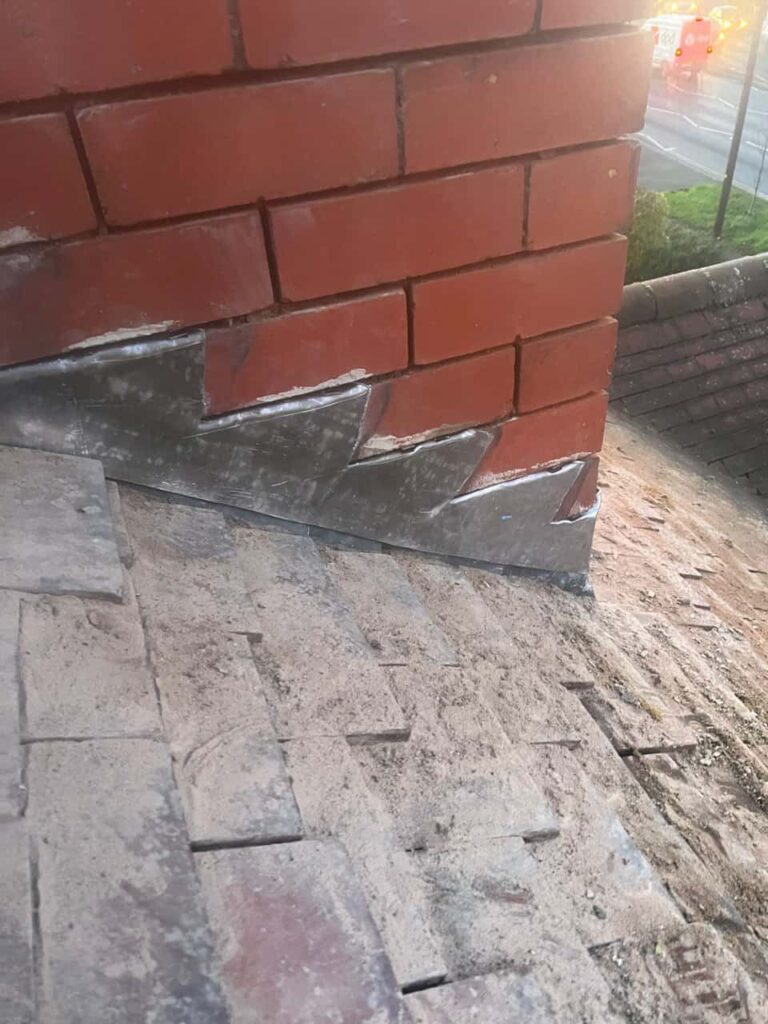
A roof leak that repeatedly returns can be frustrating, particularly when previous attempts have appeared to solve the problem temporarily. Homeowners may understandably begin to wonder whether continued water ingress means the entire roof needs replacing. However, persistent leaking does not automatically indicate that the complete roofing system has failed.
For homeowners in Dinnington, South Yorkshire, the key is accurate diagnosis. A recurring leak can sometimes originate from one unresolved defect, a vulnerable roof junction or several closely connected problems. When the surrounding roof remains in suitable condition, carefully targeted repairs may restore reliable performance without replacing the entire roof.
Why Do Some Roof Leaks Keep Coming Back?
Persistent leaks often occur because the visible symptom and the actual point of water entry are not in the same place.
Rainwater can enter through a relatively small opening before travelling along underlay, timbers or other components. It may then appear internally some distance away from the original defect. Treating the area immediately above a ceiling stain can therefore fail to address the real cause.
Recurring water ingress can be associated with:
- Cracked, slipped or damaged roof tiles
- Deteriorated flashing
- Vulnerable roof junctions
- Weathered ridge or verge details
- Defects around chimneys and roof penetrations
- Localised deterioration beneath the roof covering
- More than one small defect allowing water through
Finding the actual source is essential before deciding how extensive the repair needs to be.
A Persistent Leak Does Not Necessarily Mean Widespread Roof Failure
The frequency of a leak and the overall condition of a roof are two different matters.
A relatively localised defect can allow water into a property repeatedly whenever particular weather conditions occur. If the same vulnerable detail remains unresolved, the leak can continue despite the majority of the roof remaining perfectly serviceable.
This is why the number of times a leak has occurred should not, by itself, determine whether extensive roofing work is required.
The surrounding tiles, flashing, roof junctions and other components need to be inspected before conclusions are drawn about the complete roof.
Why Previous Repairs May Not Have Solved the Problem
When a roof has already received attention but continues leaking, it is important to establish what was previously repaired and why.
Sometimes the original work may still be performing correctly, but another nearby defect is responsible for the continuing water ingress. In other situations, the initial source may have been incorrectly identified.
There may also be several defects contributing to the same internal symptom.
A fresh assessment should therefore consider the complete affected area rather than automatically repeating previous repairs.
Water Can Travel Before Becoming Visible Indoors
One of the biggest challenges in roof leak diagnosis is understanding how water moves.
Once rainwater gets beneath the external roof covering, gravity does not necessarily take it directly down to the ceiling. Water can follow roof timbers, membranes and other materials before eventually reaching an internal surface.
The ceiling stain or damp patch may consequently appear some distance from the external defect.
This is why professional leak investigation looks at the construction and layout of the roof as well as the location of the internal symptoms.
Weather Conditions Can Provide Valuable Clues
The circumstances in which a roof leaks can help narrow down the possible cause.
A problem that appears during prolonged rainfall may behave differently from one that becomes noticeable primarily during strong, wind-driven rain. Likewise, some defects only allow water through once surrounding materials have been exposed to sustained wet conditions.
Homeowners can help by noting when the leak appears and whether particular weather conditions seem to trigger it.
These observations are useful, but they should form part of a wider roof assessment rather than being used alone to identify the defect.
Localised Repairs Can Be Highly Effective
Where the source of water ingress is confined to a particular area and surrounding roofing materials remain sound, targeted repair can often be an appropriate solution.
Depending on the cause, this might involve attention to damaged tiles, flashing, mortar or a specific roof junction.
The objective is not simply to stop water temporarily. A successful repair should address the reason moisture is entering and integrate properly with the surrounding roofing system.
Correct diagnosis is therefore just as important as the repair itself.
Several Small Defects May Need to Be Addressed Together
Not every persistent leak comes from one obvious point.
An older roof section may contain several minor vulnerabilities close together. Individually, each may appear relatively insignificant, but collectively they can make the area difficult to keep weather-resistant.
Repairing only one of these defects may improve the situation without resolving it completely.
Inspecting the surrounding area allows connected problems to be identified and addressed as part of a coordinated repair.
The Condition of Surrounding Roof Materials Is Important
Before deciding whether a local repair is worthwhile, the materials around the defect need to be considered.
If neighbouring tiles and roofing details remain secure and serviceable, repairing a contained weakness can make good practical sense. If deterioration is extensive across the surrounding area, repeatedly addressing individual defects may become less effective.
This distinction cannot reliably be made from the internal leak alone.
The external roof covering and associated details need to be assessed as a complete system.
Repeated Leaks in Different Places Need Wider Investigation
A roof that repeatedly leaks from one identifiable area presents a different situation from a roof that develops water ingress in several unrelated locations.
New leaks appearing across different sections can indicate that deterioration is becoming more widespread. It does not automatically mean complete replacement is necessary, but it provides a good reason to assess the overall roof rather than concentrating on each leak independently.
The pattern of defects often reveals more about roof condition than any single problem.
Older Roofs Can Still Be Suitable for Repair
Age alone does not determine whether a roof should be repaired or replaced.
An older roof may still have substantial areas that remain secure and weather-resistant. Conversely, a newer roof can develop a localised defect that requires professional attention.
What matters is the present condition of the roofing materials and whether the proposed repair can restore dependable performance.
An assessment based on condition rather than age provides a much more useful basis for deciding what work is appropriate.
Signs That a Wider Roof Assessment Is Needed
Persistent leaking becomes particularly important to investigate when it is accompanied by other changes.
These may include increasing numbers of damaged or displaced tiles, widespread deterioration of mortar, multiple vulnerable junctions or several areas of internal dampness.
A noticeable increase in unrelated roof problems can suggest that the leak should be considered as part of the wider condition of the roof.
This is where a complete assessment can help distinguish between an isolated repair requirement and broader deterioration.
Why Temporary Surface Treatments May Not Resolve the Cause
A persistent leak needs a repair that deals with its source rather than simply covering the area where water appears to be entering.
Applying material over a suspected defect without understanding why the leak is occurring can sometimes hide the immediate symptom while leaving the underlying weakness unresolved.
Roofing components are designed to work together to control and shed water. Repairs should therefore respect the existing roof construction and restore the performance of the affected detail.
A considered repair is more valuable than repeatedly treating the visible symptom.
Professional Leak Detection Can Prevent Unnecessary Work
When a leak has returned several times, it can be easy to assume that extensive roofing work is inevitable.
A detailed inspection may reveal a much more specific cause.
At Dinnington Roofing Repairs, we assess both the suspected leak area and the surrounding roofing system to determine how water is entering and whether deterioration is localised or more widespread.
For homeowners in Dinnington, this provides a clearer basis for deciding what repair is genuinely required rather than assuming that a persistent leak automatically means the complete roof must be replaced.
The Aim Should Be Reliable Roof Performance
The success of a roof repair should be judged by whether it restores dependable protection to the property.
That requires more than making the internal damp patch disappear. The source of water ingress should be identified, affected roofing components addressed and surrounding materials checked for related deterioration.
When the wider roof remains serviceable, a well-planned localised repair can often provide exactly that outcome.
The decision should always follow the evidence found during inspection.
Conclusion
Persistent roof leaks can often be fixed without replacing the entire roof. A recurring leak may result from one unresolved defect, several closely related vulnerabilities or water travelling away from its original entry point before becoming visible indoors.
The important factor is the condition of the roof surrounding the problem. Where the wider roofing system remains sound, correctly diagnosed and professionally completed repairs may restore reliable performance. Where problems are appearing across several areas, a broader assessment can establish whether more extensive attention is appropriate.
If your property in Dinnington, South Yorkshire has a roof leak that keeps returning, Dinnington Roofing Repairs can assess the affected area and investigate the underlying cause. A professional inspection can help determine whether targeted repairs can provide a dependable solution without unnecessary work elsewhere on the roof.
Call us on: 01909 498 195
Click here to find out more about Dinnington Roofing Repairs
Click here to complete our contact form and see how we can help with your roofing needs.